Blog
Notes, news and dispatches-
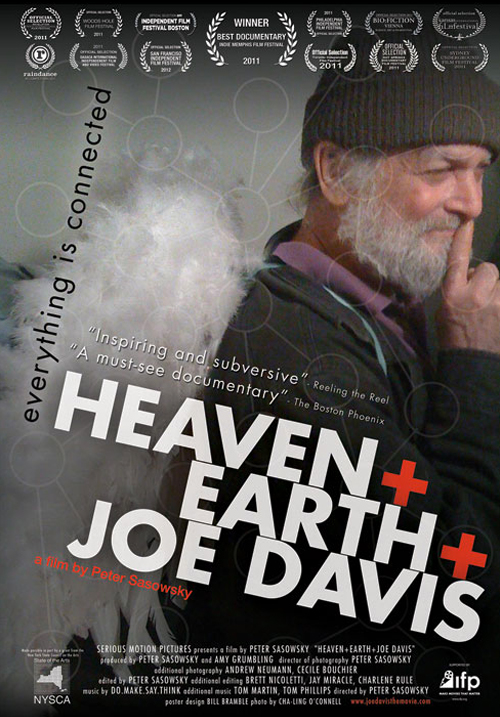 Heaven+Earth+Joe Davis 2014
 -
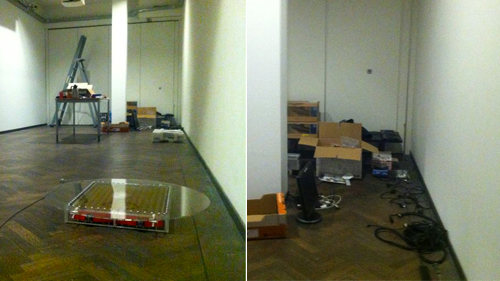 Setting up LIVING MIRROR at Natlab 2014
 -
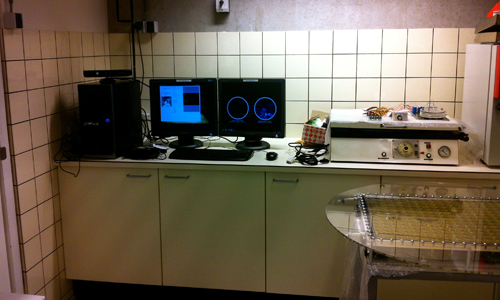 Laboratory Preparation of LIVING MIRROR for Age of Wonder 2014
 -
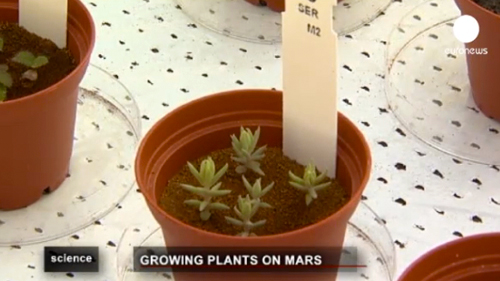 Plant Life on Mars 2013
 -
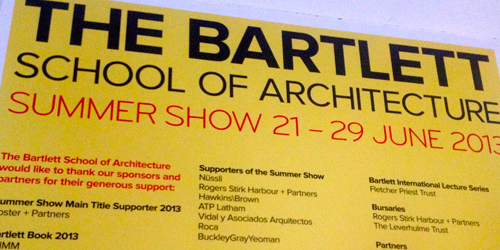 Bartlett Summer Show 2013
 -
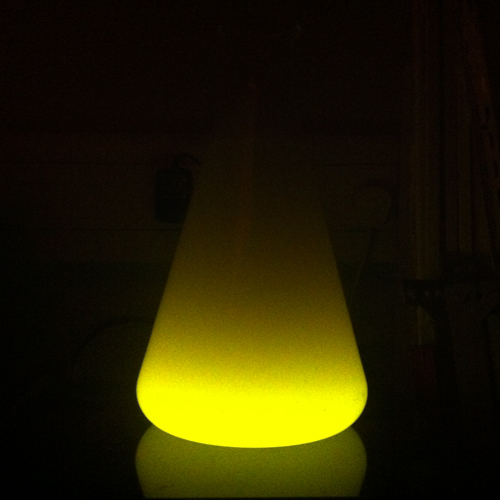 KatE in a Jar 2012
 -
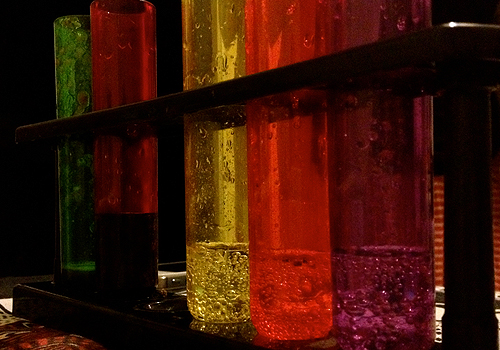 One too many cocktails of nucleic acids.... 2012
 -
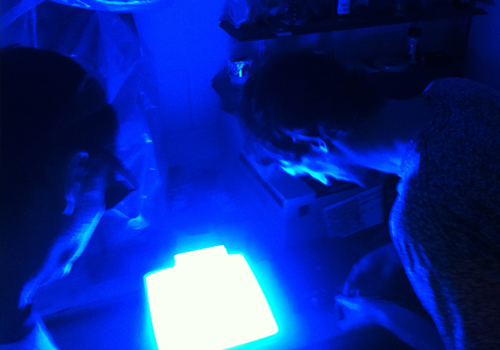 Right or Risk? Preparation at London Hackspace 2012
 - Cleaning oil spills with magnets 2012
-
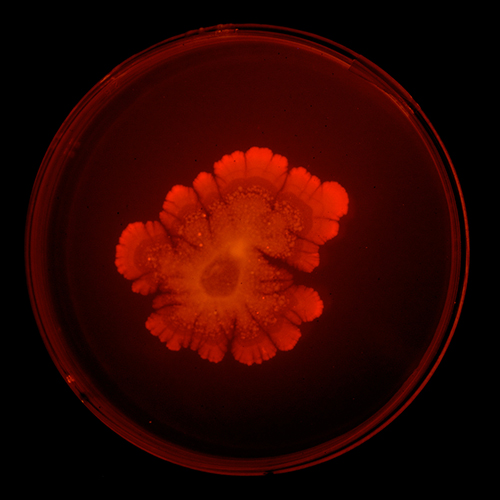 katE sees red with Red Fluorescent Protein (RFP) 2012
 -
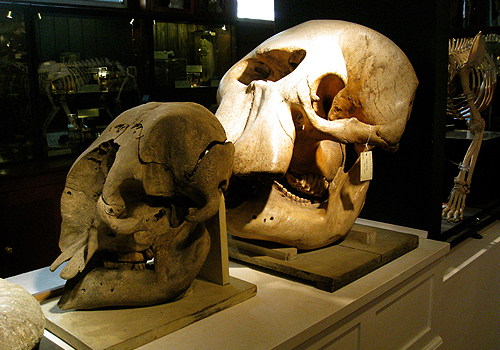 Visiting the Grant Museum of Zoology 2012
 -
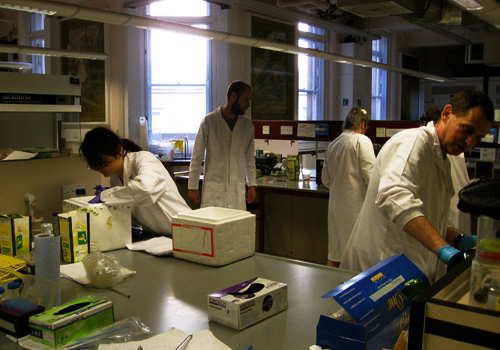 London Hackspace at UCL Cruciform Lab 2012
 -
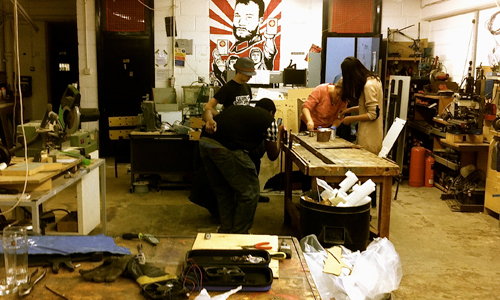 Visiting London Hackspace with UCL iGEM 2012
 -
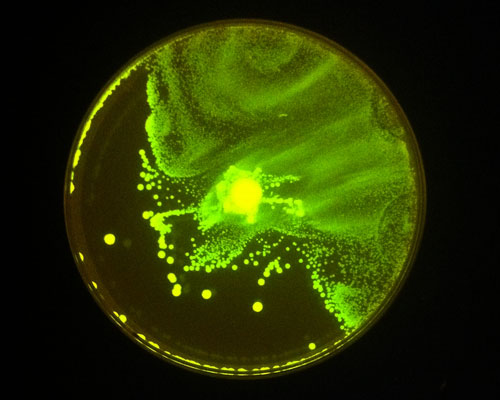 Stress light in growth & swarming behaviour 2012
 -
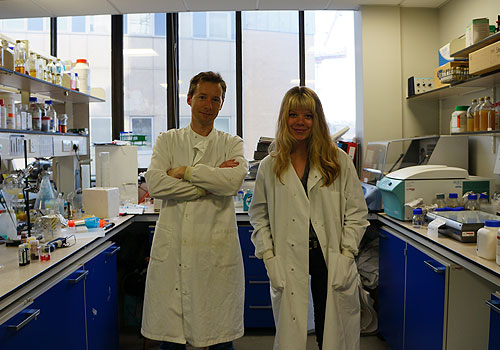 Britt Wray of Fluxmedia visits C-LAB 2012
 - Between: Embodiment & Identity 2012
-
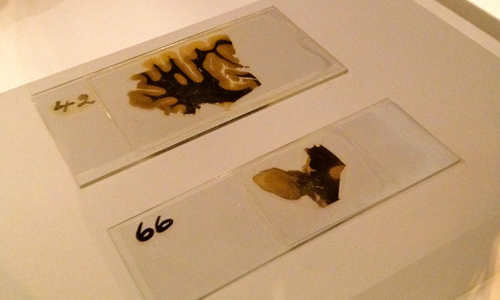 Perspective Tour of Brains: The Mind as Matter with Nina Sellars 2012
 -
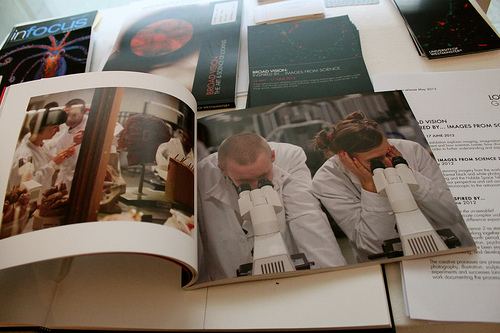 Broad Vision: Exhibition Private View 2012
 -
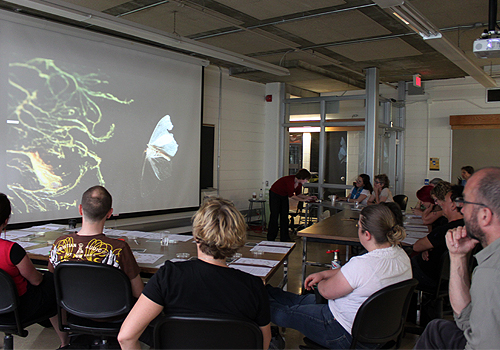 Subtle Technologies: Workshop - The Physarum Experiments 2012
 -
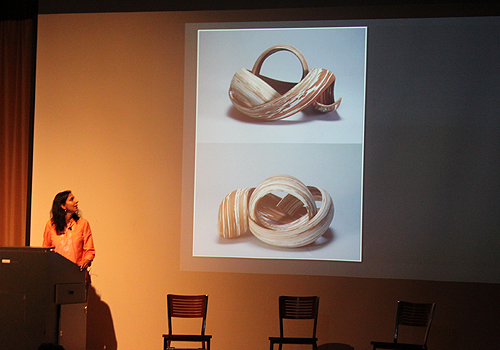 Subtle Technologies: A conversation with Alondra Nelson, Heidi McKenzie and Jeff Thomas 2012
 -
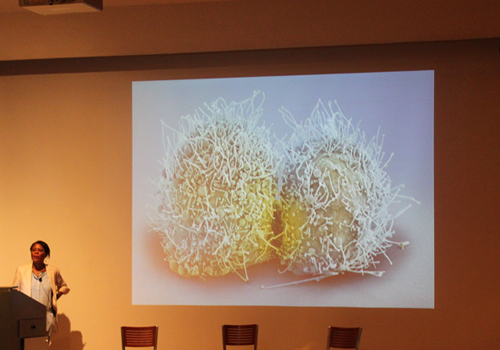 Subtle Technologies: Henrietta Lacks in Text and Context 2012
 - Subtle Technologies: BIOART - Art from the Laboratory 2012
-
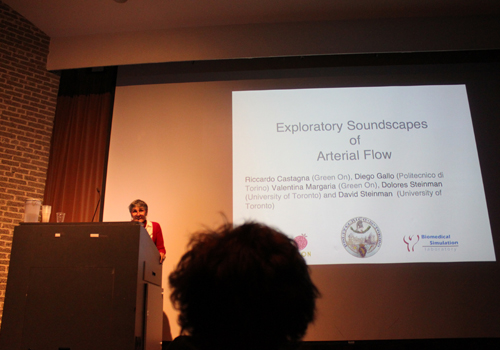 Subtle Technologies: Exploratory soundscapes of arterial flow 2012
 -
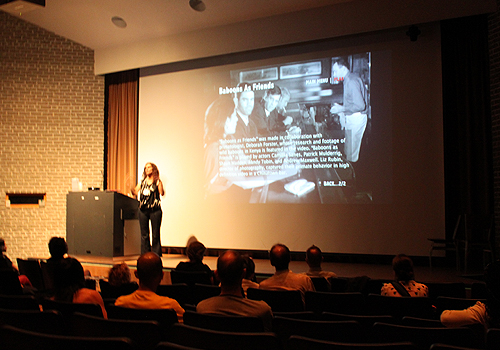 Subtle Technologies: Primate Cinema: Apes as family 2012