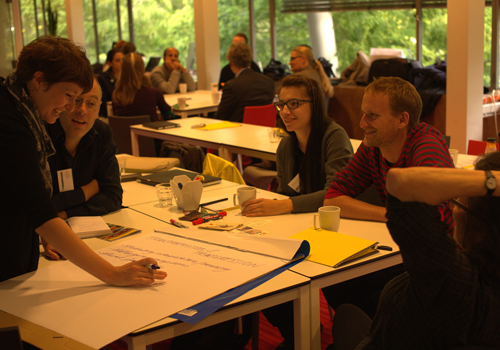
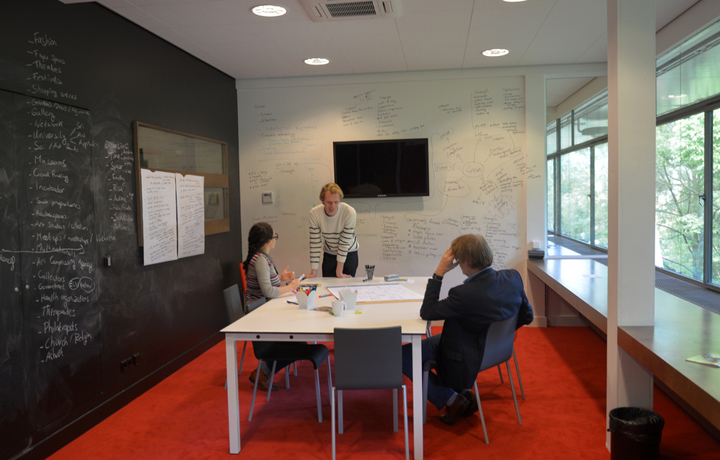
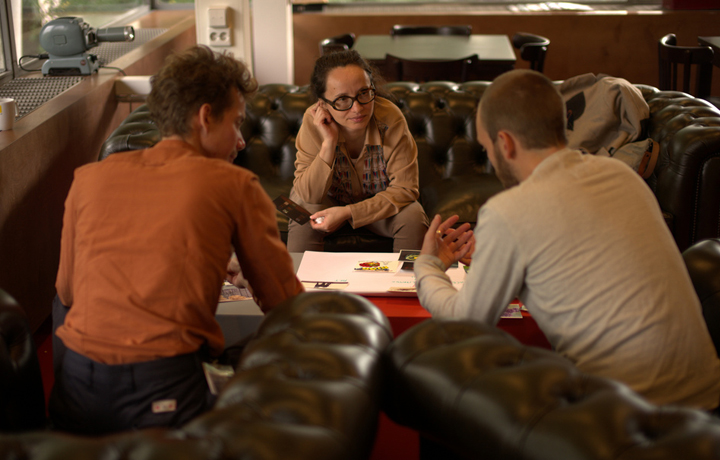
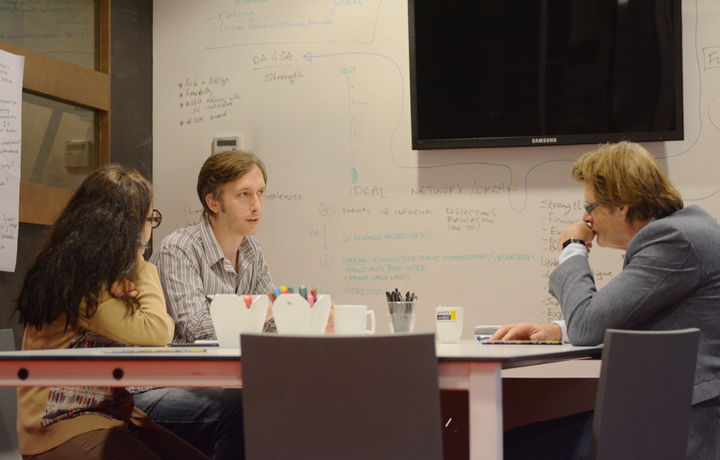
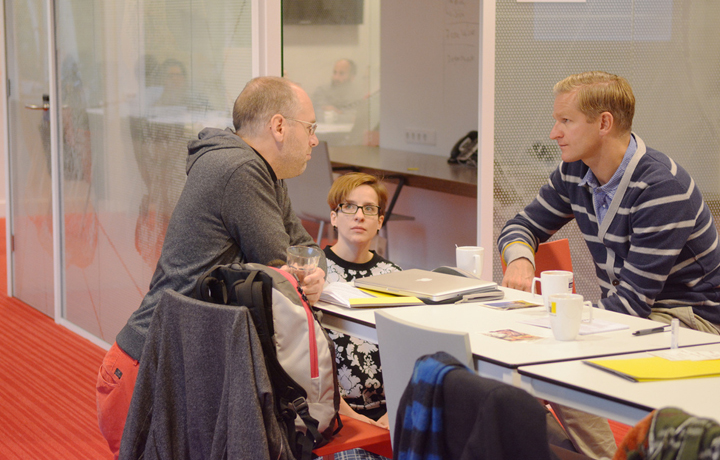
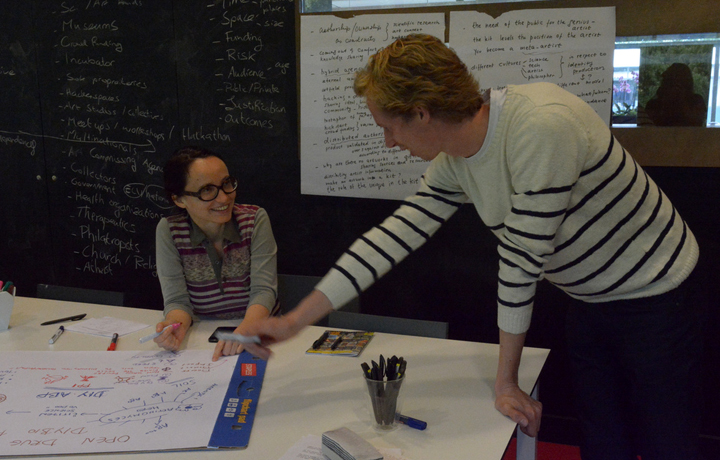
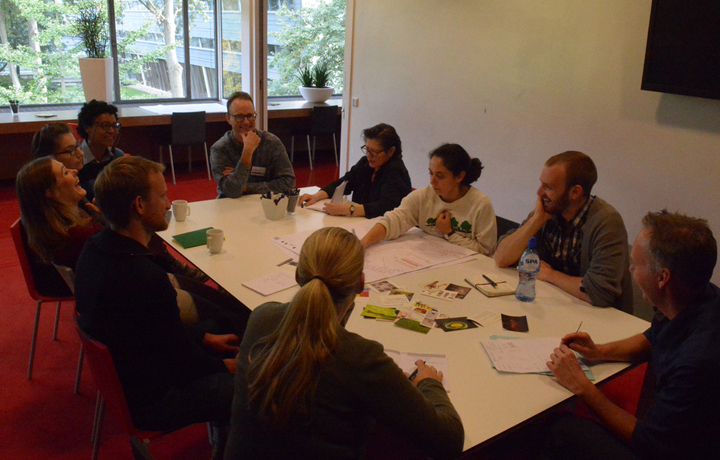
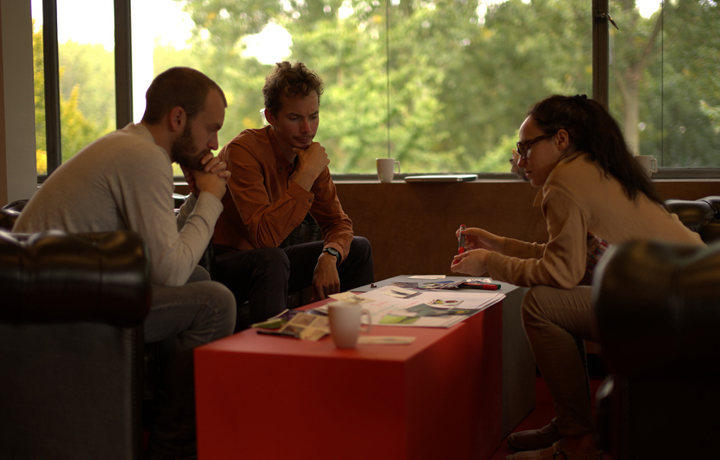
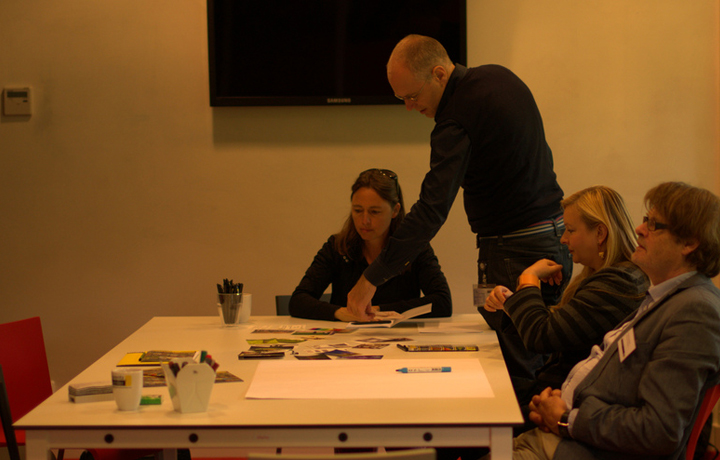
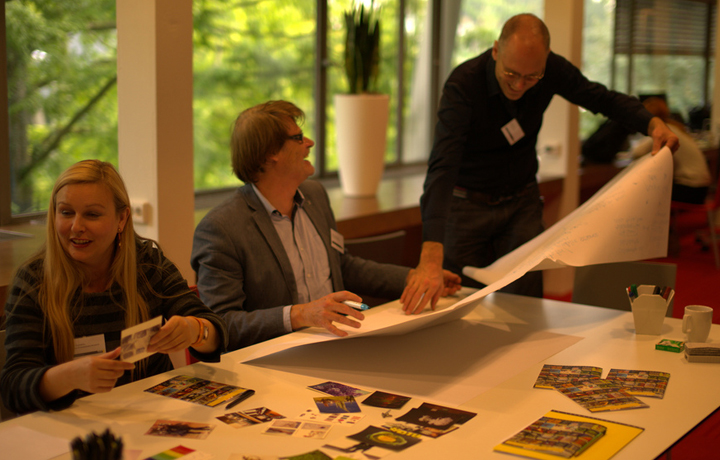
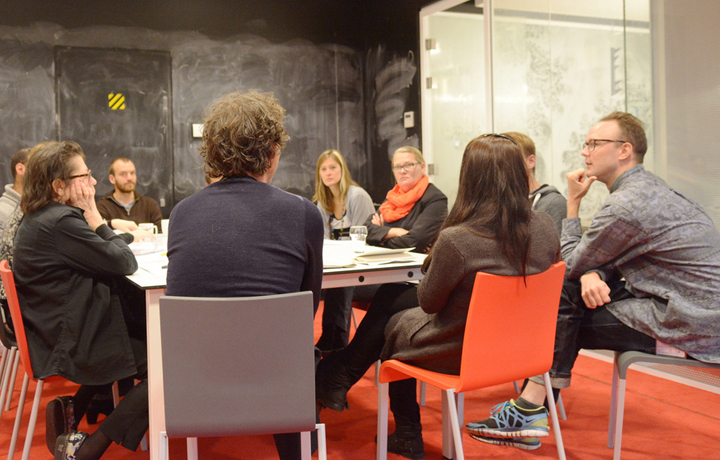
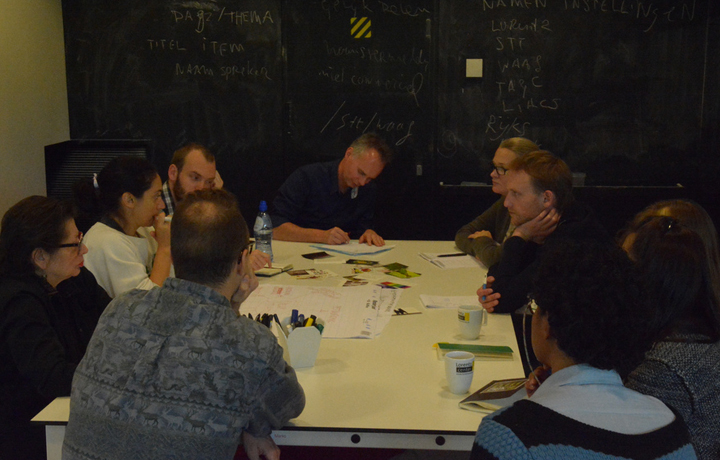
Future of Art-Science Collaborations workshop was aimed at elaborating on current and potential future models, roles and structures of art-science collaborations. It invited leading researchers and practitioners to critically negotiate the often difficult meeting point between disciplines through an intensive week-long workshop and excursions to various art-science events held at institutes around the Netherlands.
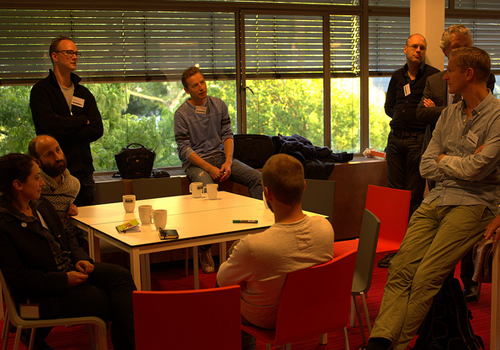
C-LAB’s Howard Boland was invited to partake in the workshop to explore modes of art-science interactions.
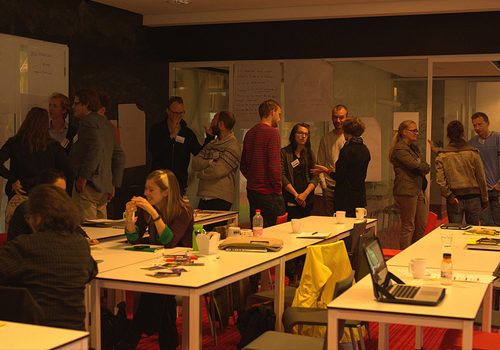
A collaboration with key Dutch organisations including Waag Society, the Royal Academy of Arts, Leiden Institute of Advanced Computer Science, The Arts & Genomics Centre, Rijksakademie van beeldende kunsten, Museum Boerhaave and Hortus botanicus Leiden paved the way for a fully sponsored workshop at the prestigious Lorentz Centre, an initiative of The Netherlands Study Centre for Technology Trends.
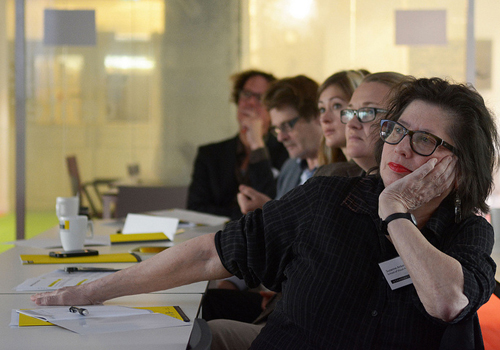
Key organisers and programme leaders were Lucas Evers, Martijntje Hallmann, Edwin van der Heide, Joost Rekveld, Jacco van Uden, Louise Whiteley and Rob Zwijnenberg.
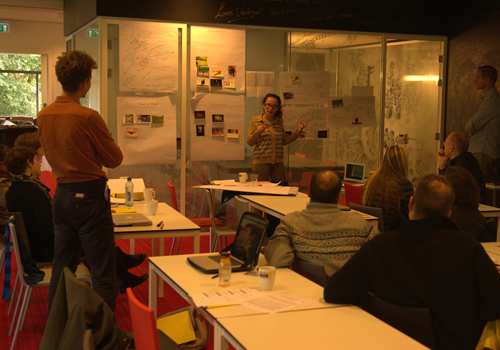
An invited international set of artists, historians, publicists and writers included Suzanne Anker, Kat Austen, Howard Boland, Rogier Brom, Louis Buckley, Boo Chapple, Daniela De Paulis, Anna Dumitriu, Bas Haring, Denisa Kera, Petran Kockelkoren, Svenja Kratz, Frank Kresin, Maarten Lamers, David Louwrier, Olga Mink, Kianoosh Motallebi, Manon Parry, Bradley Pitts, Ingeborg Reichle, Maaike Roozenburg, Taconis Stolk, Pieter van Boheemen, Sabine Wildevuur and Agnieszka Anna Wolodzko.
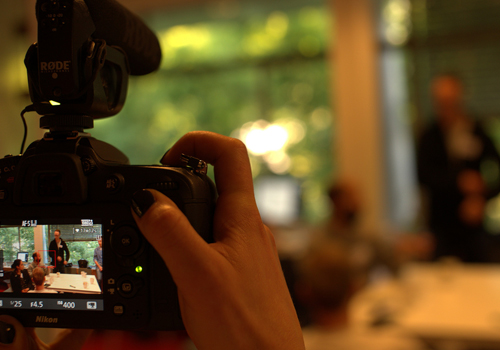
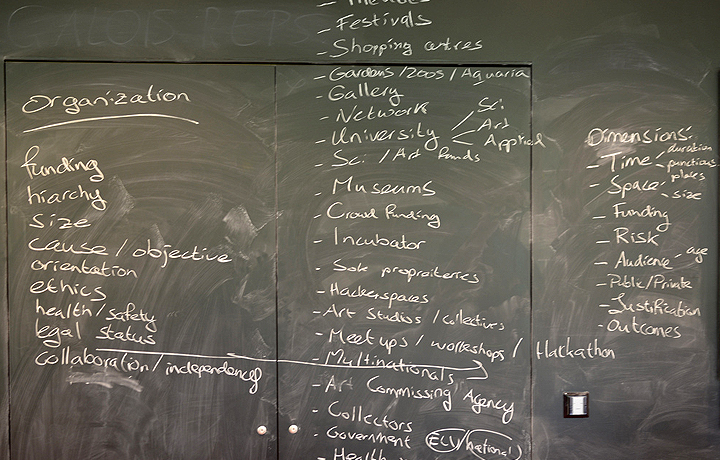
A key challenge was to clearly map features from the various types of collaborations into a single model that could be used as a prototype towards successful collaboration. Indeed, this was perhaps not even possible.
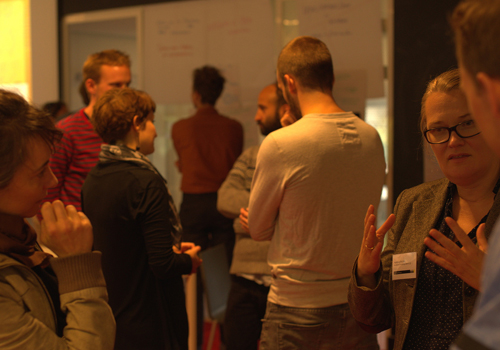
Questions ranged from "Why collaborate?" and "What type of motivations a scientist versus an artist may have for doing so?" to "How would we go about judging a successful collaboration?". The outcome of the workshop is expected to be released as a report in 2014. Further, it may also help tackle the question of how art is situated as an innovative practice and how it may form part of the European commission initiative Horizon 2020.
Photo Credit: © The Future of Art-Science Collaborations