Bacterial World
Howard Boland, Art from Synthetic Biology, University of Westminster, 2013
Bacterial World
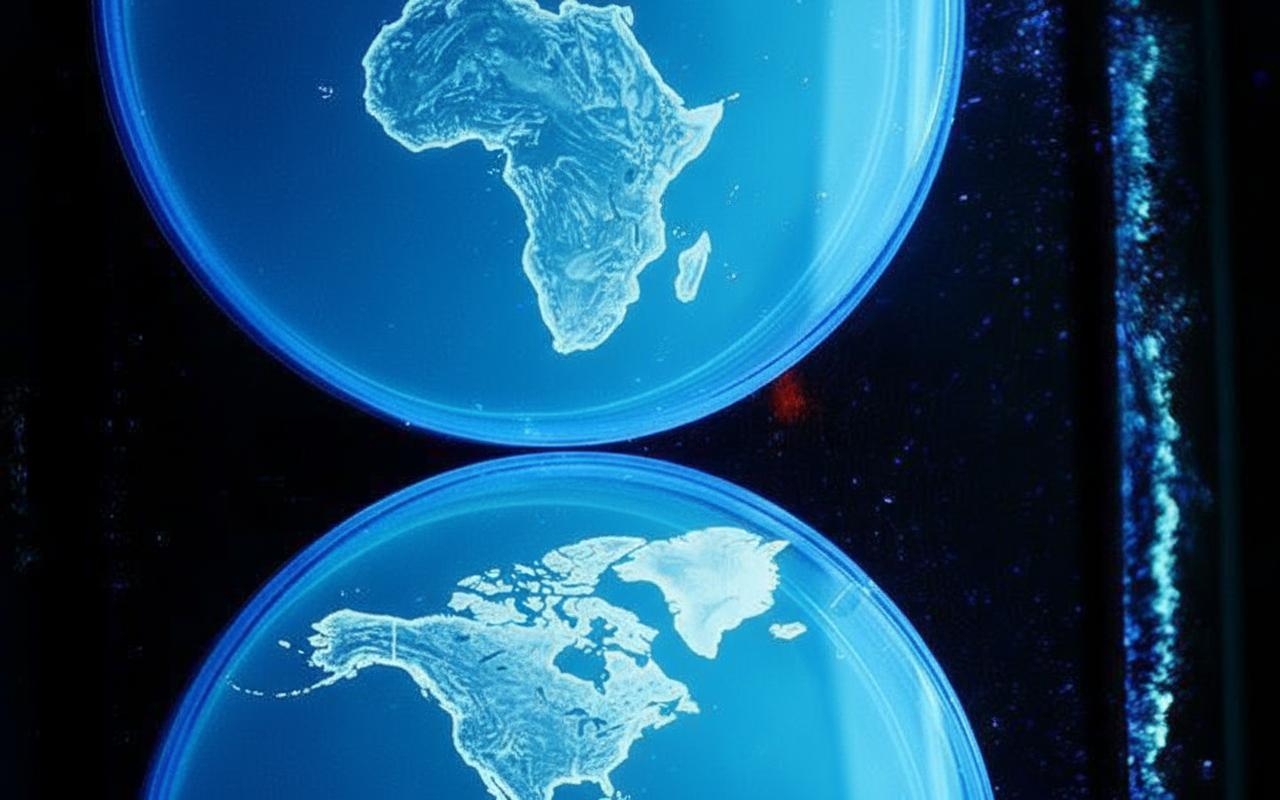
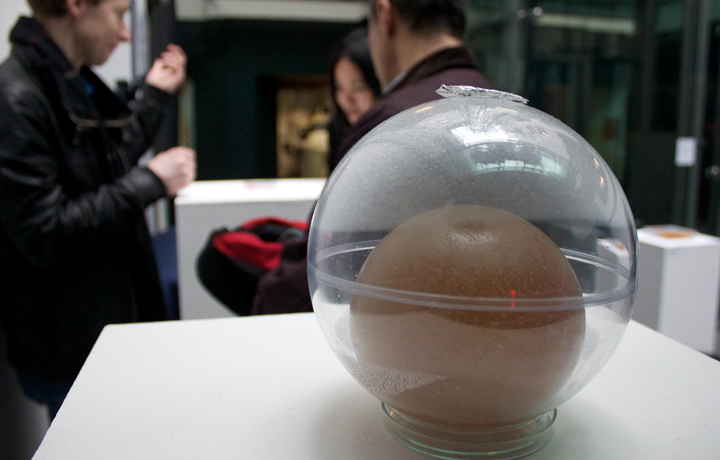
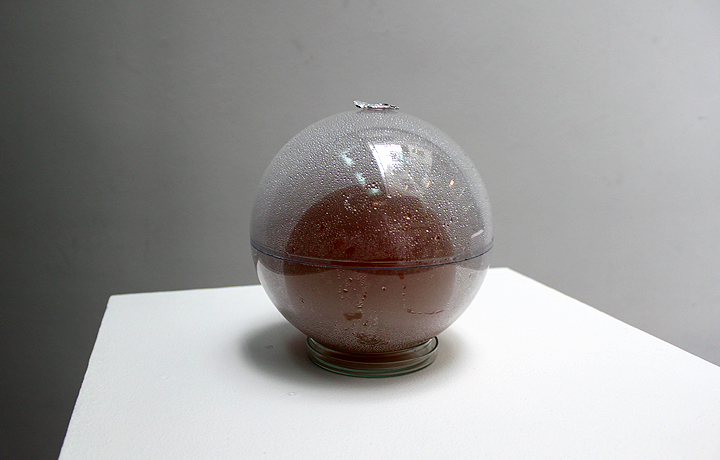
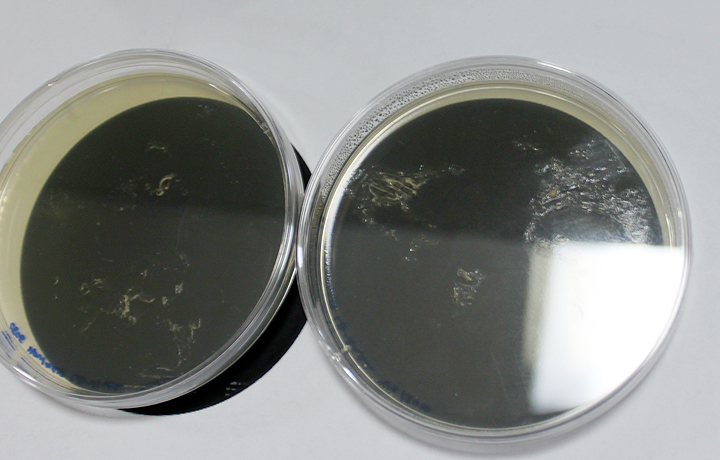
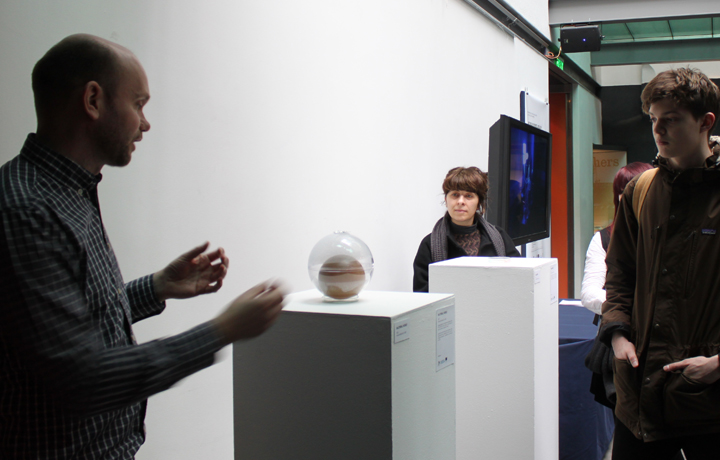
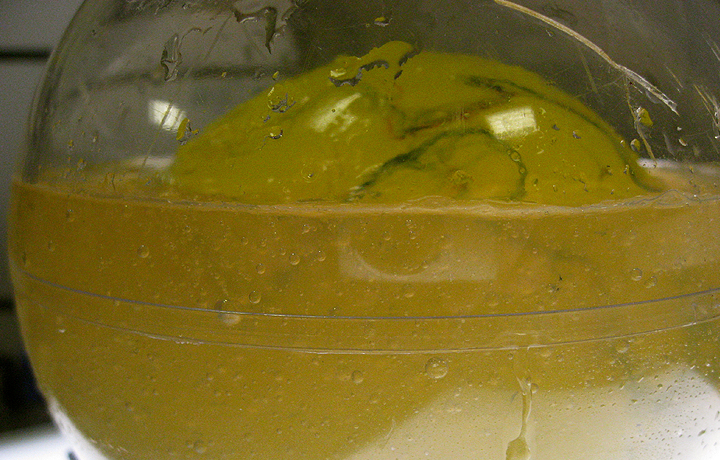
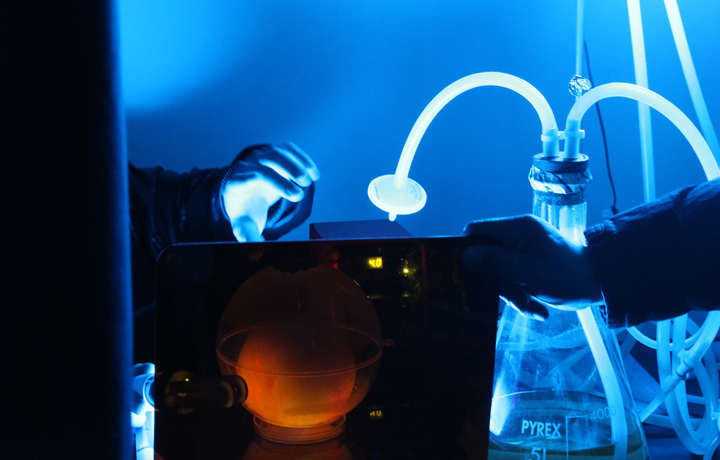
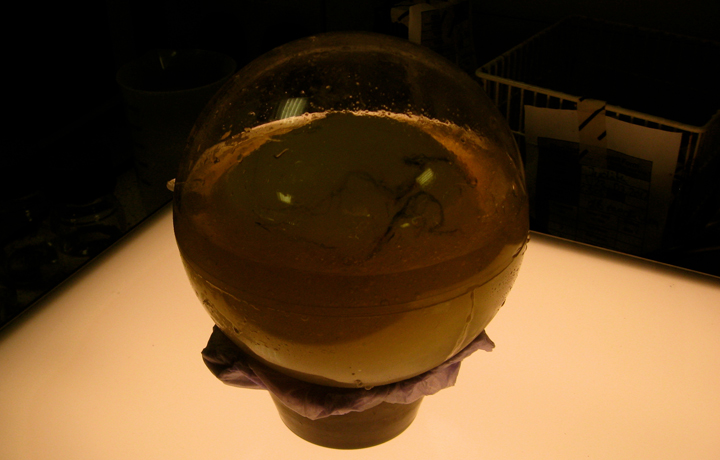
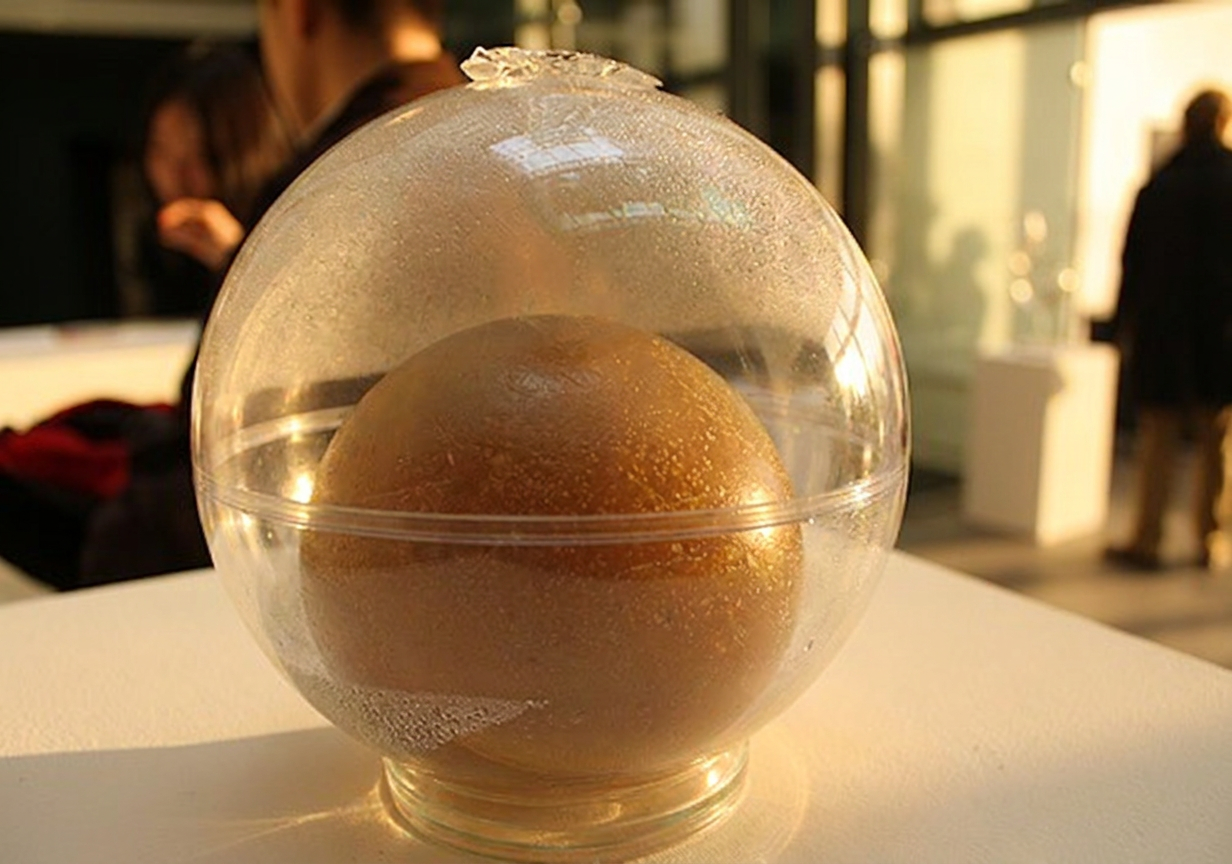
Bacterial World is an experimental display that uses the earth-like circle of Petri dishes and spherically cast media to cultivate colonies as live maps.
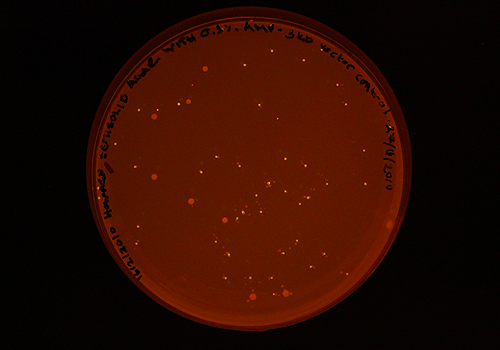
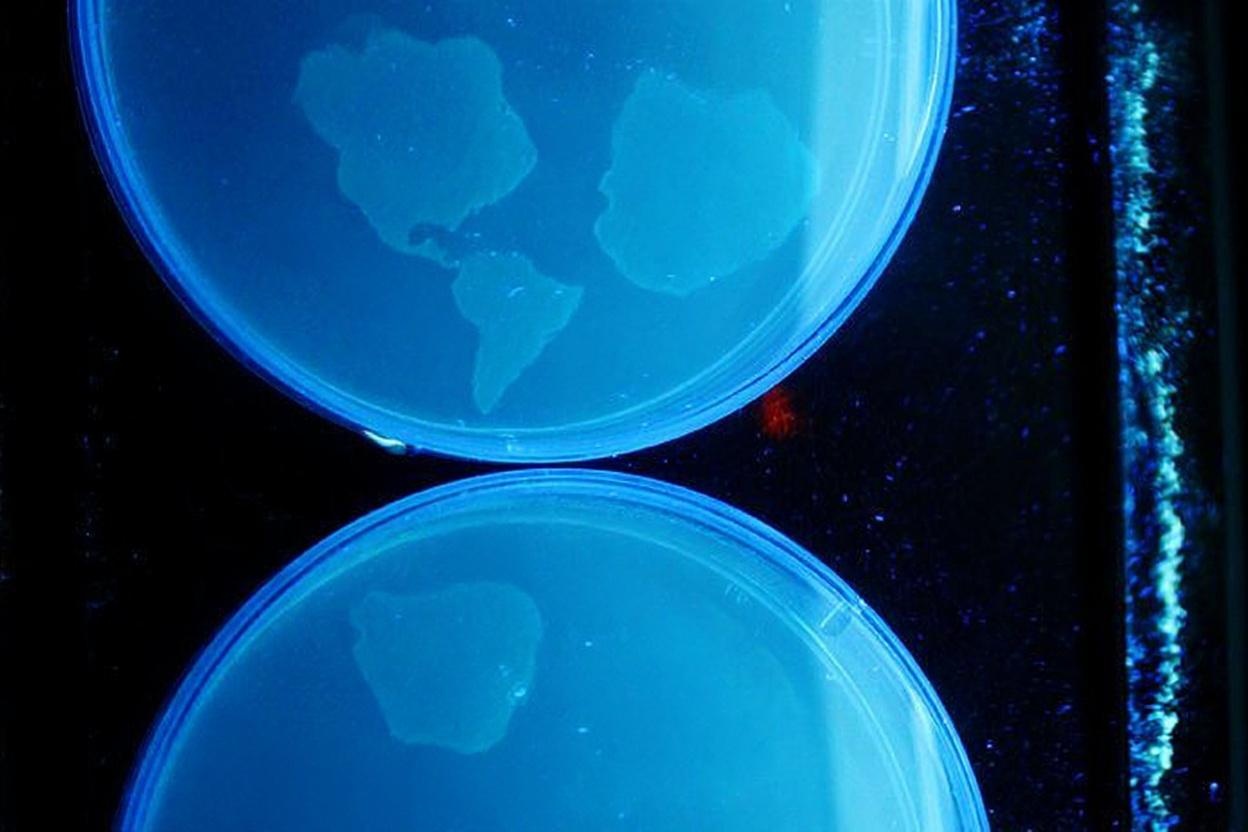
It treats bacteria as living data, tracing expansion as an analogue for human and technological growth, colonisation, and resource scarcity. Early iterations used the Petri dish’s globe-like circle to stage a standard map projection within the display, testing how colonies occupy and redraw territories.
E. coli, often called the ‘genetic workhorse’ of the 21st century, is routinely deployed in laboratories to serve scientific and social aims—from reducing suffering to sustaining food systems. By working with the very organisms entrusted to relieve pressure, the piece highlights a paradox: the same logics of optimisation can tip into runaway growth—the ‘out of control’ scenario visualised here.
Method
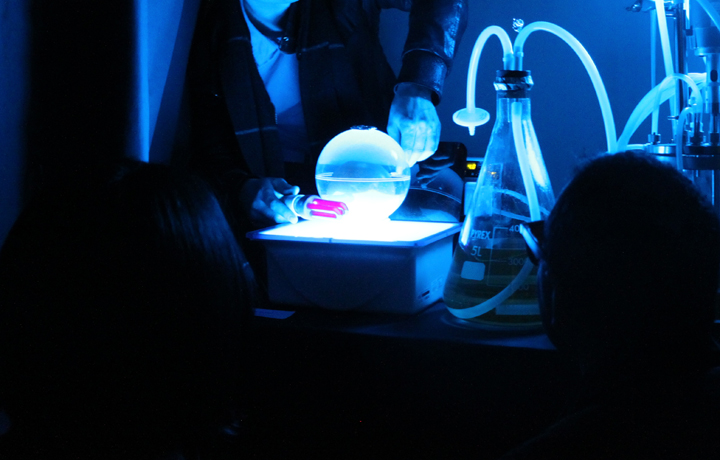
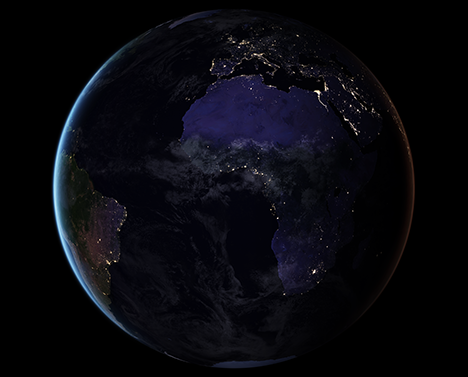
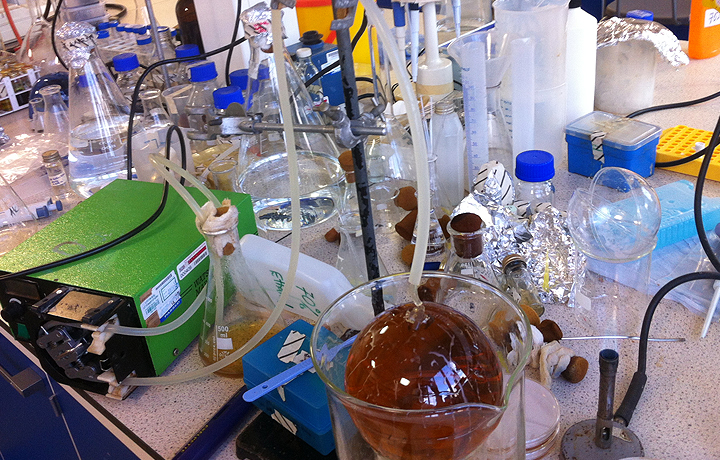
A printout from NASA showing the world at night with lights from cities and human habitation outlined the boundaries of land and ‘civilisation’. The printout was used as a template and city lights drawn by swabbing transformed E. coli expressing fluorescent proteins onto two plates containing ampicillin antibiotics. Visible colonies were generated within 10 hours and continued to double every 20 minutes.
Growth in bacteria becomes an analogue to human and technological expansion, colonisation, resource scarcity and scientific agendas of “feeding an ever-growing population”.
Acknowledgements
The work was conducted at the University of Westminster.
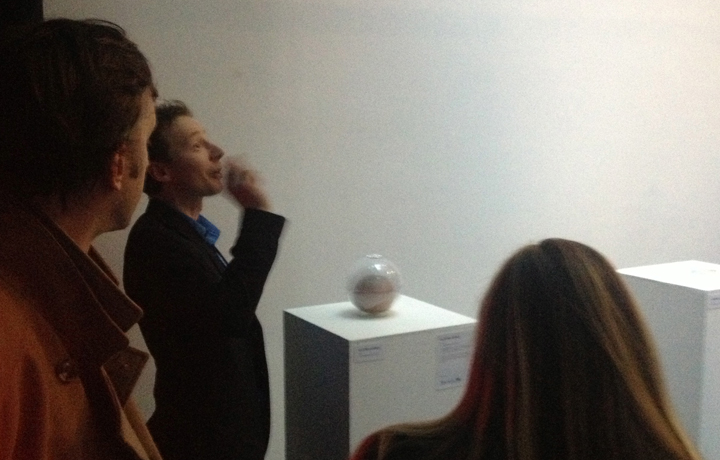
The work was featured live at Art from Synthetic Biology, UK’s first public exhibition featuring living genetically modified microorganisms at The Royal Institute of Great Britain in April 2013.
Sincerest gratitude to Dr Mark Clements.
The research is supported by a Doctoral Award from the Arts and Humanities Research Council and University of Westminster.