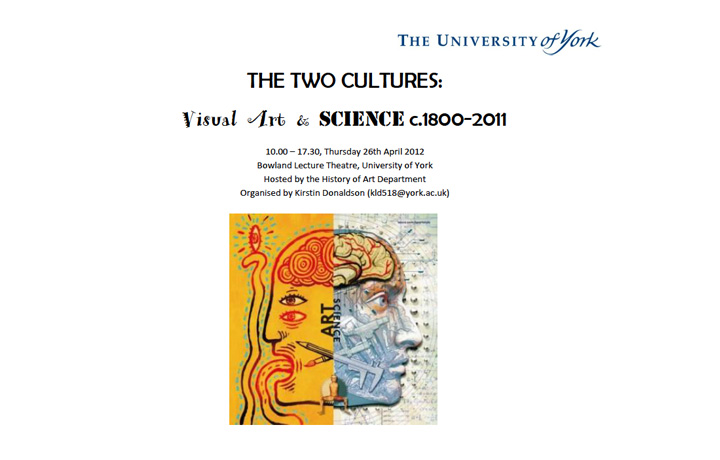
The Two Cultures: Visual Art & Science conference, organised by the Department of History of Art at the University of York, asked how the cultural divide between art and science is changing with current practitioners. C.P Snows declared in 1959 a growing gap between the humanities and the natural sciences pointing to what he called the Two Cultures.
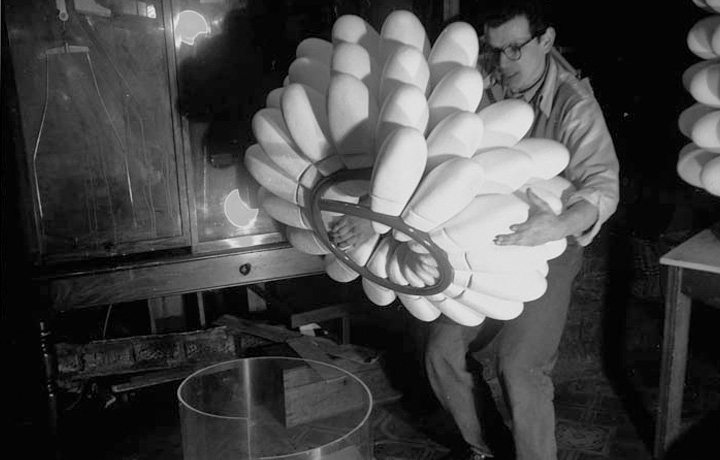
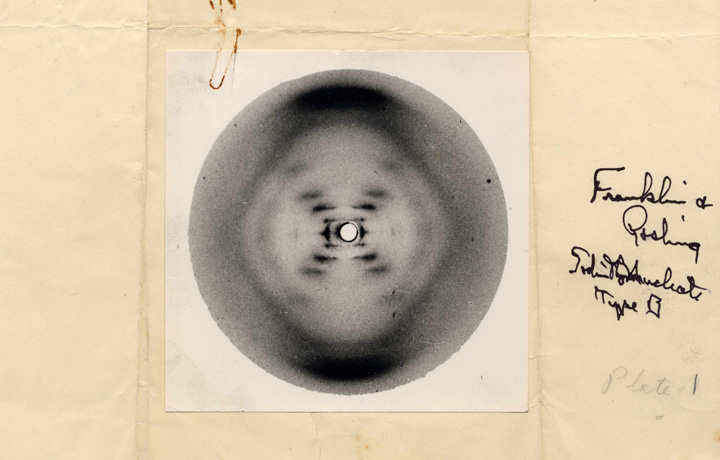
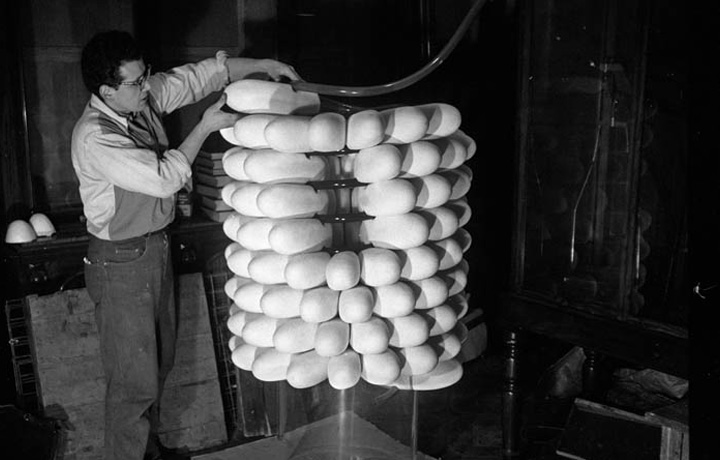
Art historians provided an interesting and diverse set of papers on topics covering: the role of scientific models in post-war popular TV (Emily Candela, RCA), the visual culture surrounding Rosalind Franklin's 'Photo 51' (Camilla Mørk Røstvik, Manchester), connections between heavenly bodies and the astronomical drawings of Éthienne Léopold Trouvelot (Ros Holmes, Oxford), and influences of Modern Physical and Cosmology on the sculptural works of artist Alexander Calder (Vanja Mallony, Courtauld Institute).
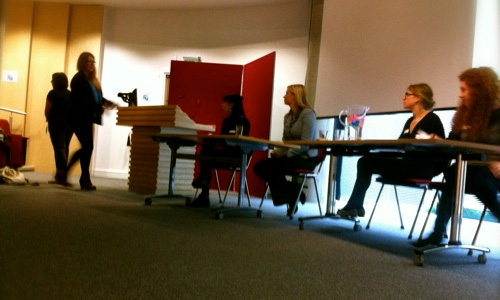
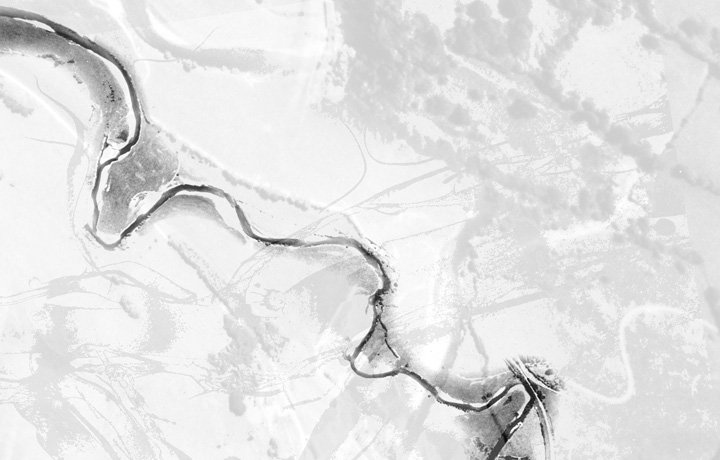
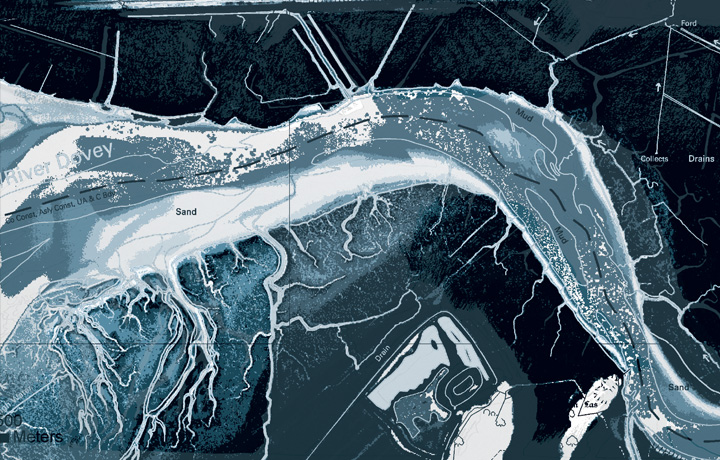
Of the artists Julian Ruddock (Aberystwyth University), presented his research 'Data landscapes of the River Dyfi catchment'.
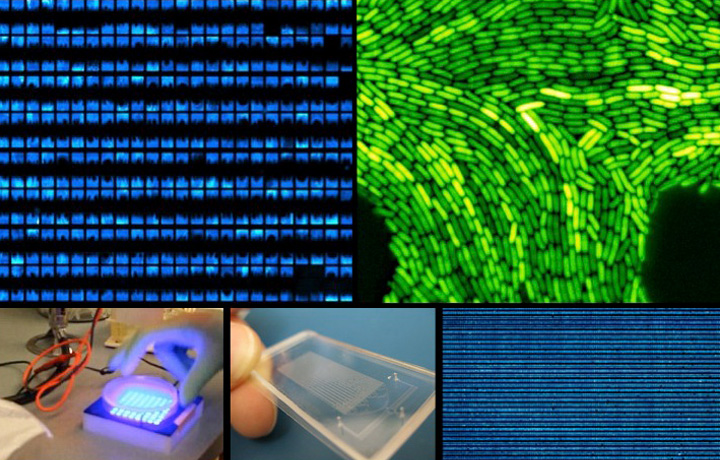
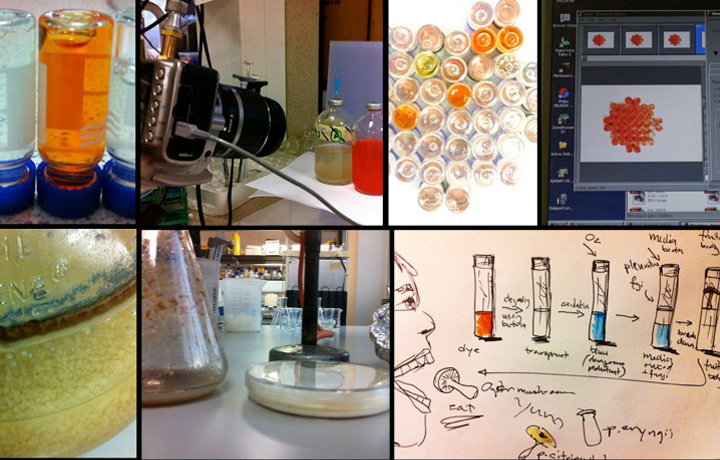
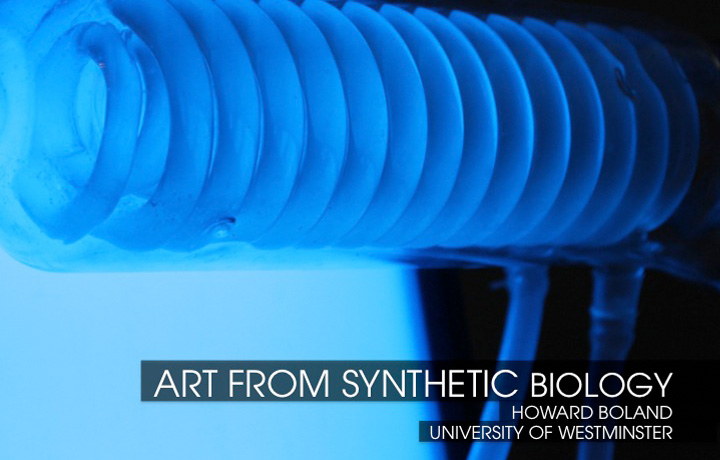
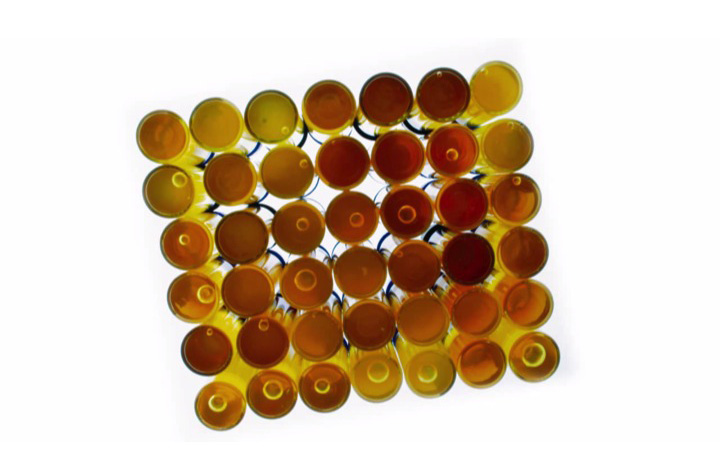
C-LAB'S Howard Boland (Westminster) gave a paper on his practice based lab research 'Art from Synthetic Biology', involving the production and creation of artworks using synthetic biology.
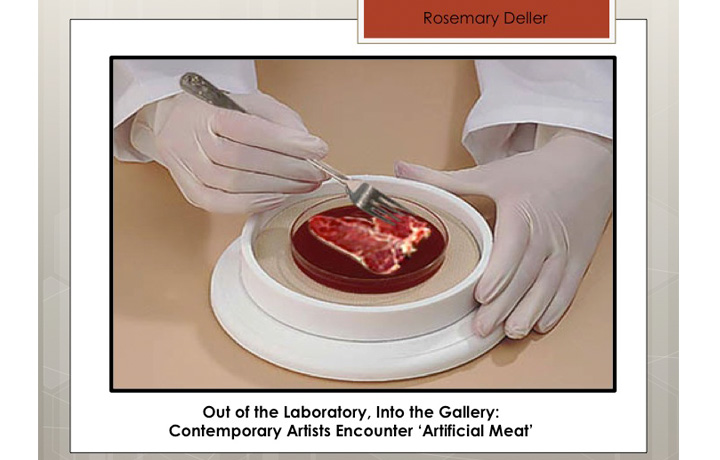
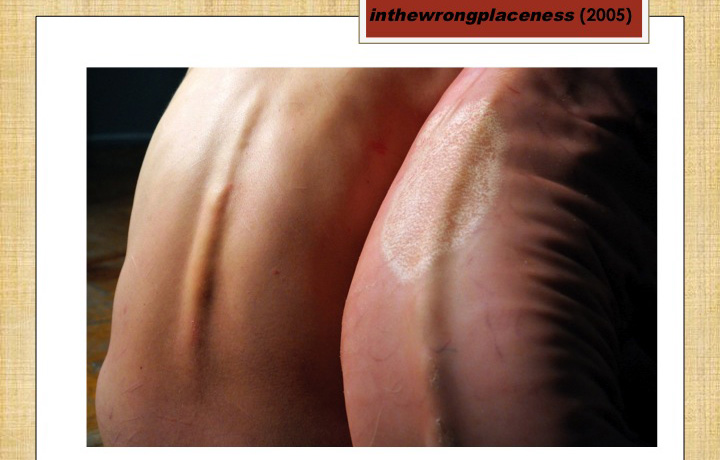
Along similar venaculars, the research of Rosemary Deller looked at artists developing works using bio art, in particularly focusing on meat in her paper 'Out of the lab, into the gallery: Contemporary art encounters 'Artificial Meat''.
Participants and audience were mainly made up of students and researchers from history of art.
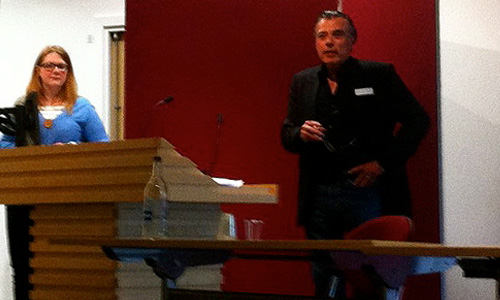
Professor Arthur I. Miller ended with his keynote, announcing the inevitable emergence of a 'third culture' by looking at how historical developments have already captured our imagination and the emerging interest in hybrid practices. Focusing mainly on collaboration between art and science, he raised a critic that scientists are yet to see any real differences in their own work following collaborative engagments with artists. He envisioned this unequal relationship, where artists are the main 'benefactor' (or 'author'), to change with 'new practitioners'. This 'third culture' will be able to work across domains, however, in order to gain momentum there needs to be a broader implemention and acceptance across institutions and frameworks.